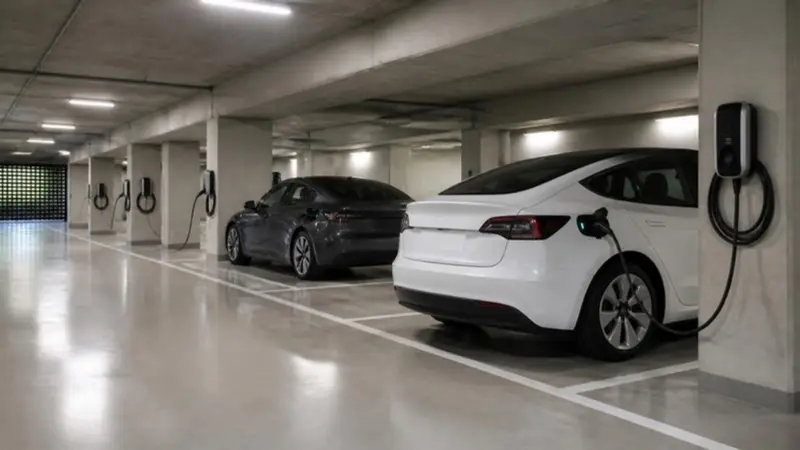
How Does EV Charging Work in Multi-Family Properties?
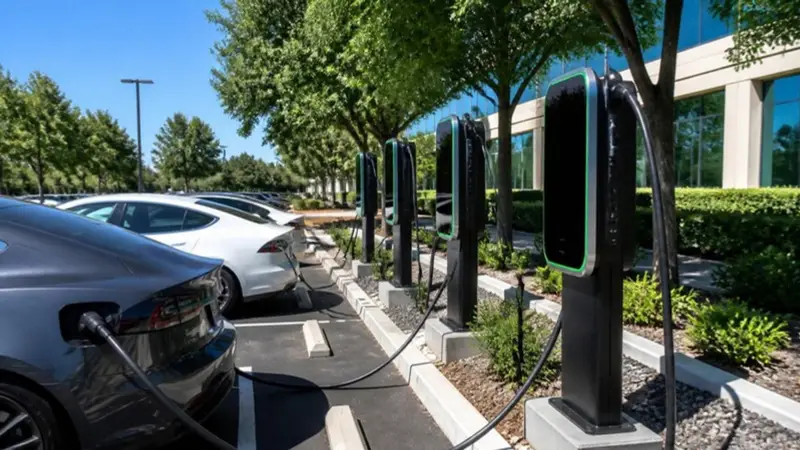
Multi-family EV charging is installed either as shared stations in common parking, usually networked so users pay for what they use, or as chargers at assigned spaces tied to individual units or a shared electrical supply. The right model depends on how the property is metered, how much electrical capacity is available, and who owns the parking.
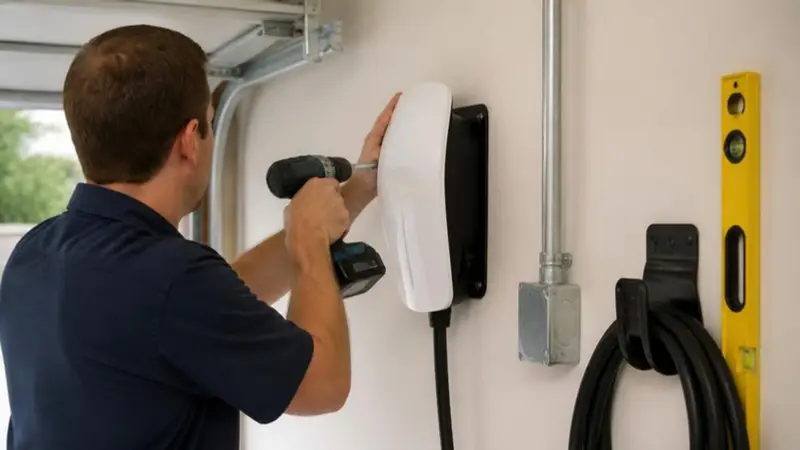
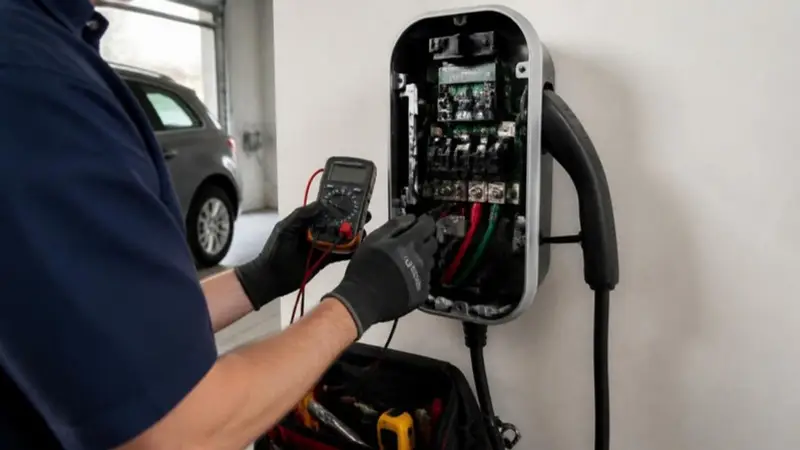
Multi-unit projects need more coordination than a single-family EV charger installation in Reynoldsburg, because they touch shared property, shared electrical systems and governing documents. Getting the plan right the first time avoids overloaded services and disputes between residents.
Solutions by Property Type
Apartment communities
Owners usually install shared, networked Level 2 stations in surface lots or garages, billing residents per session or kWh. It's an amenity that can support leasing and retention.
Condominiums
Associations often choose between common-area shared stations and a policy allowing owners to install chargers at their deeded spaces under association standards.
Townhome and HOA communities
Where units have garages wired to their own meter, a charger is usually a standard home Level 2 installation, subject to HOA rules for exterior work.
Renters in single-family homes
You'll need the landlord's written permission. Offering to cover the installation, or proposing a plug-in charger on a NEMA 14-50 outlet, can help get approval.
What HOA Boards and Property Managers Should Decide First
- Ownership and cost: Who pays for installation, and who owns the equipment?
- Electricity billing: Networked per-session billing, separately metered circuits, or a flat fee?
- Capacity: How many chargers can the building's service support, and can load management stretch it?
- Maintenance and liability: Who repairs damaged equipment, and what insurance applies?
- Future demand: Plan conduit and capacity for more chargers than you install on day one.
- Governing documents: Do your declaration or bylaws address EV charging or alterations to common elements? Legal review may be needed.
Electrical Capacity and Load Management
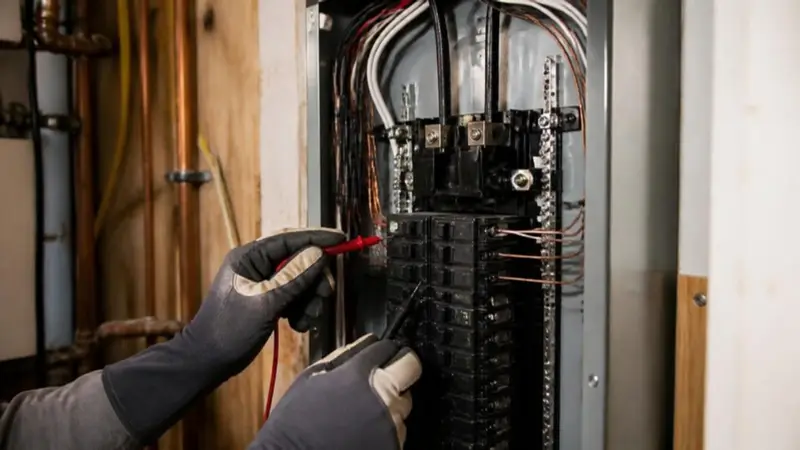
Multi-unit buildings often have limited spare capacity, and giving each space its own full-size circuit quickly adds up. Networked chargers with power sharing, or load management systems, let many ports share a fixed capacity and adjust in real time. Because most residents charge overnight, this usually meets their needs while avoiding transformer or service upgrades. An electrical contractor can assess the building's service and meters and recommend how many ports it can support.
Billing and Access Options
| Model | How it works | Considerations |
|---|---|---|
| Networked pay-per-use | Drivers pay through an app or card, and revenue offsets electricity and fees | Ongoing network subscription, needs cellular or Wi-Fi coverage |
| Assigned, unit-metered | Charger wired to the resident's own meter | Only practical where meters are near parking |
| Flat monthly fee | Residents pay a set amenity fee | Simple, but may not match actual usage |
| Access-restricted free charging | Owner covers electricity as an amenity | Needs access controls to prevent outside use |
Networked setup is covered in more depth on our commercial EV charging stations page.
Multi-Family Charging Around Reynoldsburg
The east side of Columbus has a large mix of apartment communities, condominiums and HOA-governed subdivisions, from Reynoldsburg to Pickerington and Blacklick. Permits go through the building department with jurisdiction over the property, and exterior work in HOA communities typically needs architectural approval first. Whether you're a board member gathering options or a resident preparing a request, a local contractor can walk the property and scope the project. Our main page covers the wider range of EV charging installation services around Reynoldsburg, OH.