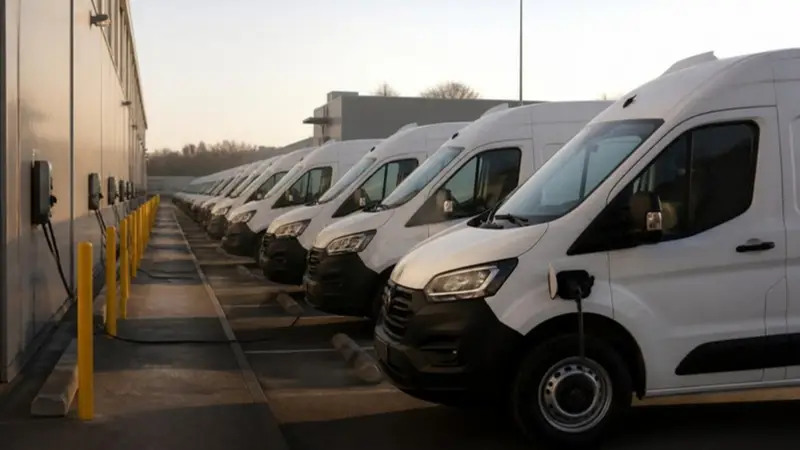
What Is EV Fleet Charging Infrastructure?
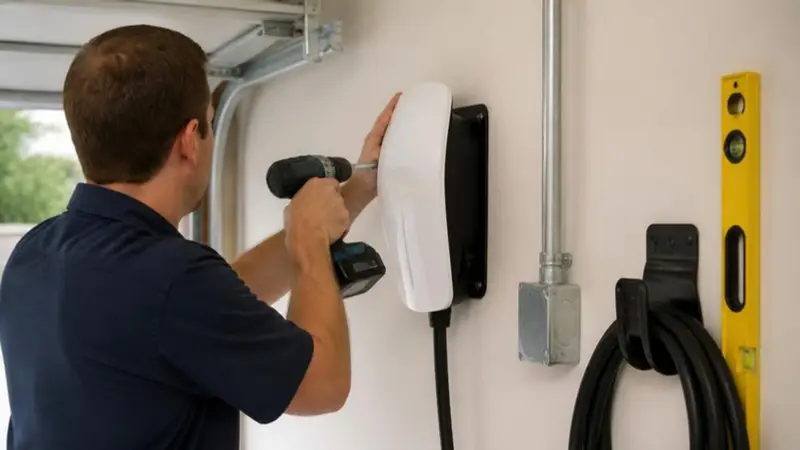
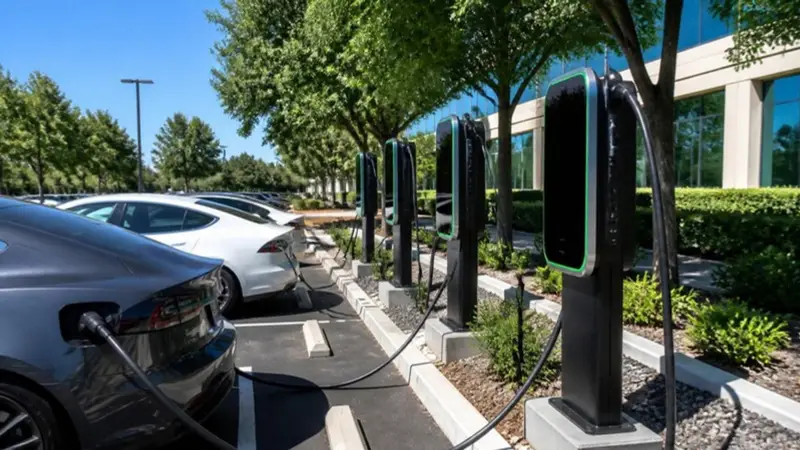
EV fleet charging infrastructure is the set of chargers, electrical capacity, software and site work that keeps a fleet's vehicles charged for their duty cycle, usually at a depot where vehicles park overnight. Most fleets rely on managed Level 2 charging, adding DC fast charging only for vehicles with short turnaround times.
Fleet charging differs from public or workplace charging because it's designed around operations: every vehicle needs to leave with enough energy for its route. Among EV charger installation projects in Reynoldsburg, fleet projects benefit most from careful up-front planning.
Start With Your Fleet Data
Before choosing chargers, gather:
- Daily miles per vehicle, including the longest realistic day
- Dwell time: when vehicles return and when they leave
- Vehicle onboard charger ratings, which cap how fast each vehicle can accept AC power
- Parking layout, including assigned spots, indoor or outdoor, and distance from the electrical room
- Growth plan: how many vehicles in two to five years
With this, a contractor can size charging to real energy needs rather than one fast charger per vehicle, which is often unnecessary and expensive.
Common Fleet Charging Approaches
Depot Level 2
One port per vehicle with managed charging overnight. The most common setup for vans and light-duty vehicles.
Depot DC fast
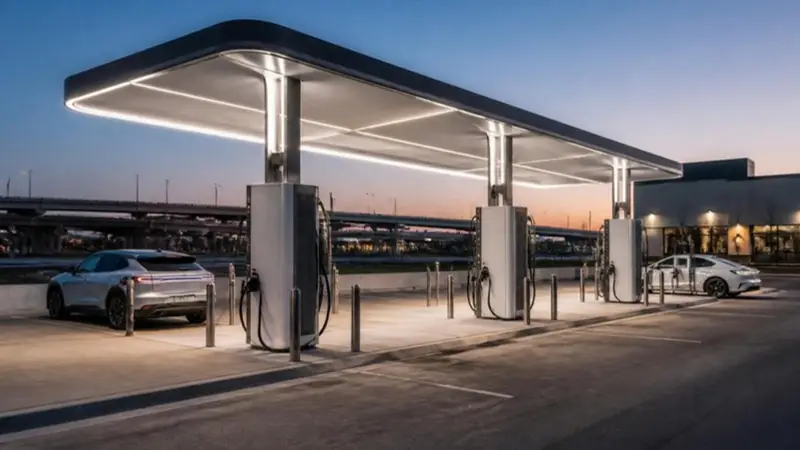
Fewer, higher-power chargers for vehicles that turn around mid-day. See DC fast charger installation.
Take-home charging
Chargers installed at drivers' homes, with networked session tracking for electricity reimbursement.
Managed Charging and Load Control
Charging every vehicle at full power the moment it plugs in creates unnecessary demand peaks. Fleet charging software staggers sessions, prioritizes vehicles leaving first, and keeps total demand under a set limit. This can substantially reduce the electrical infrastructure needed and helps control demand charges on commercial electric bills. It's the fleet-scale version of the load management used in homes.
Build in Phases, Plan for the End State
Few fleets convert all at once. A sensible plan sizes the electrical service and lays conduit for the eventual fleet, then installs chargers as vehicles arrive. That avoids repeated trenching and switchgear work. Ask your contractor to show both the phase-one scope and the full build-out.
Utility Coordination and Site Work
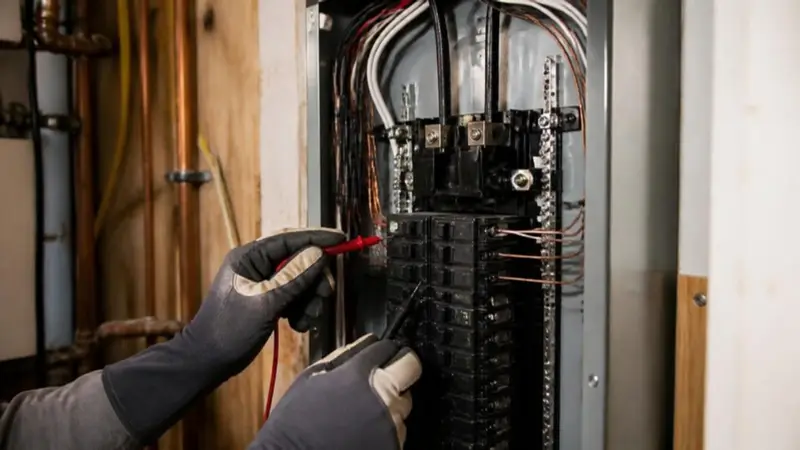
Larger fleet depots may need new utility service or transformer capacity, so engage your utility early. Much of the Reynoldsburg area is served by AEP Ohio. Site work often includes trenching or boring across lots, pedestal footings, bollards and cable management to protect equipment from vehicle damage. Businesses along the I-70 and SR 256 corridors, and in commercial areas around New Albany and Gahanna, face similar planning questions.
Cost Considerations for Fleet Charging
Fleet projects are priced on the number and type of chargers, electrical service upgrades, site construction, software licensing and ongoing maintenance. Quotes should break these out separately. Maintenance agreements are worth considering for fleets, where a down charger can mean a vehicle off the road. See EV charger repair and maintenance. For visitor or employee charging at the same property, compare commercial charging stations. For everything else we cover, see Reynoldsburg EV charger installation.